Plastic Injection Molding
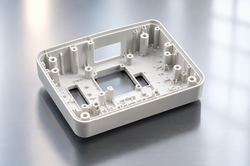
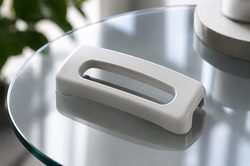
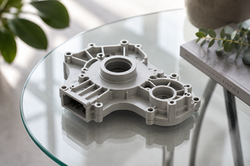
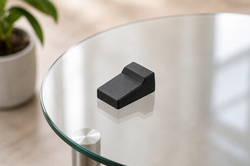
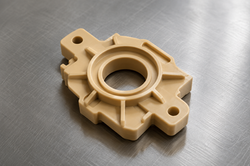
Our injection molding capabilities cover everything from simple production parts to complex engineered components, using conventional, side-action, and advanced tooling solutions.
 |  |
|---|---|
 |  |
 |  |
 |  |
 |  |
 |  |
 |  |
 |  |
 |  |
Insert Molding
Combine metal inserts with precision-molded plastic components in a single manufacturing process. Insert molding improves strength, durability, and assembly efficiency while reducing the need for secondary operations.


Micro Molding
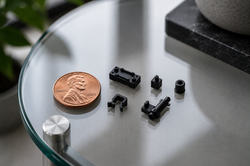
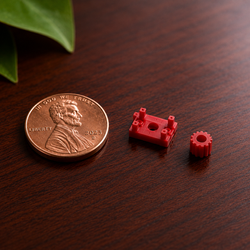
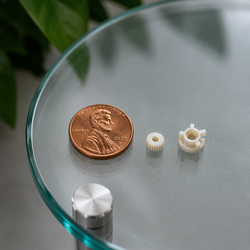
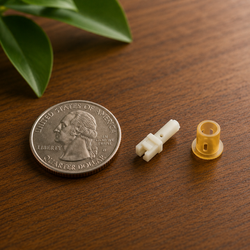
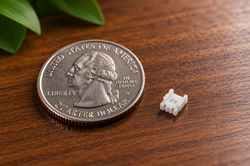
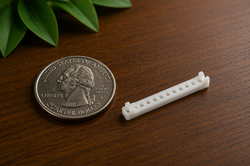
Our Micro Molding capabilities and expertice ensure highly detailed miniature plastic components with outstanding precision and consistency. Micro molding is ideal for applications requiring intricate features, tight tolerances, and exceptional repeatability.
 |  |
|---|---|
 |  |
 |  |
 |  |
 |  |
 |  |
 |  |
 |  |
 |

Understanding Draft Angles
Adding draft angles is one of the simplest ways to improve manufacturability. Proper draft allows parts to eject smoothly, reduces wear on the mold, minimizes cosmetic defects, and shortens production cycles. Most injection molded parts benefit from a draft angle of 1° to 2°, depending on the material and surface finish.

Why Wall Thickness Matters
Wall thickness plays a critical role in the quality, strength, and cost of an injection molded part. Maintaining a uniform wall thickness allows molten plastic to flow evenly through the mold, reducing defects such as sink marks, warpage, and internal stresses. A well-designed part not only performs better but is also easier and more economical to manufacture.

Why Undercuts Matter
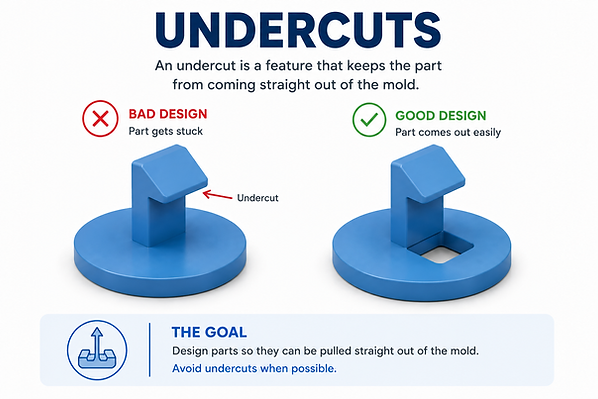
Undercuts can significantly increase tooling complexity, manufacturing costs, and production time. Whenever possible, design parts that can be released straight from the mold. Eliminating unnecessary undercuts results in simpler tooling, lower costs, faster production, and more reliable molding.
When Are Side Actions Required?
Some part geometries cannot be molded using a simple two-piece mold. In these cases, side actions are used to create features that would otherwise lock the part inside the mold. Although highly effective, side actions add cost, extend tooling lead times, and increase mold complexity. Good part design minimizes their use while ensuring the required functionality is maintained.

Why Radii & Fillets Matter
Sharp inside corners can create stress concentrations that weaken a part and increase the risk of cracking or failure. Adding radii and fillets distributes stress more evenly, improves material flow during molding, and helps plastic fill the cavity more efficiently. Proper corner radii also reduce wear on the mold, resulting in stronger parts, better surface quality, and more reliable production.